March 23, 2026
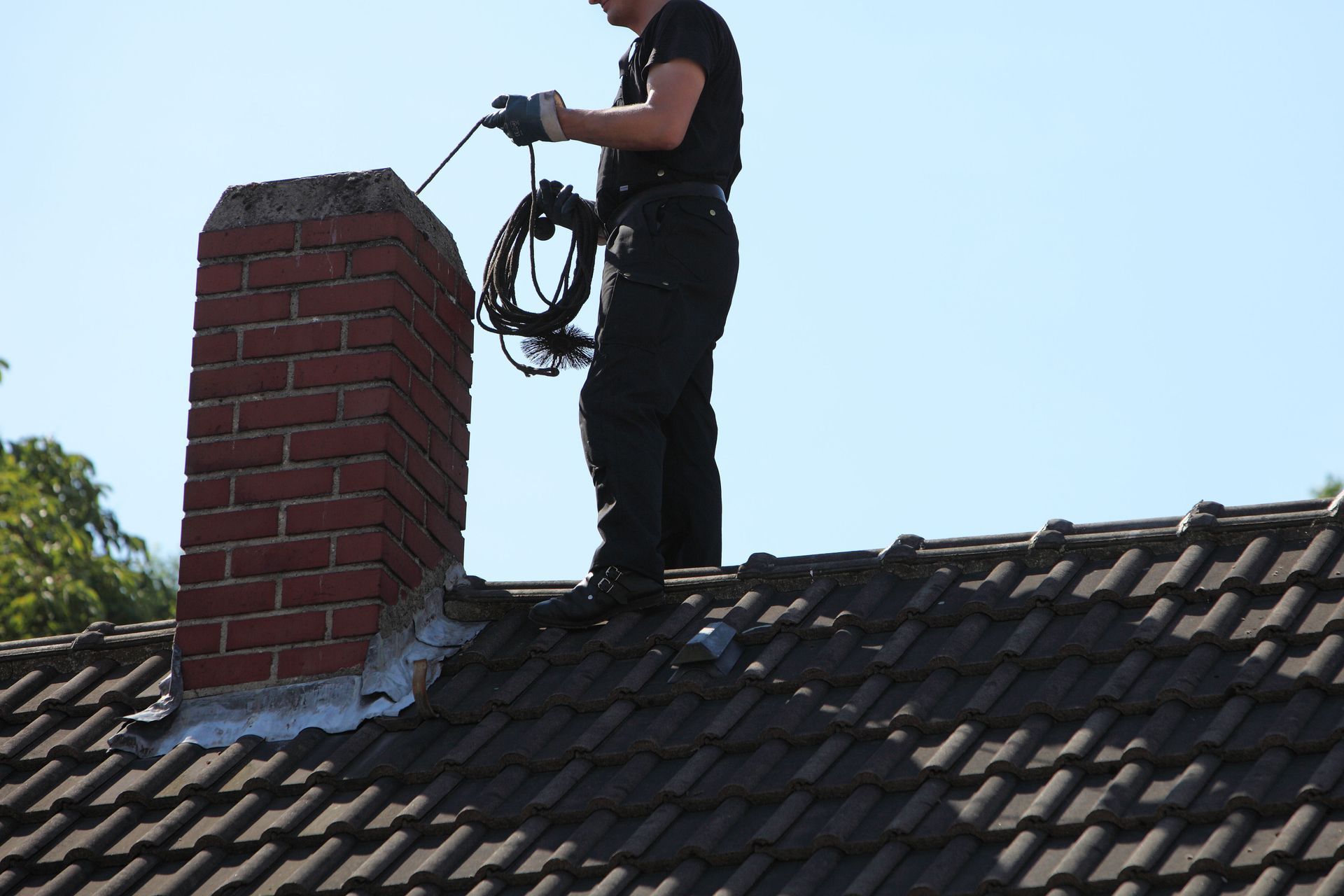
This article explores various challenges that chimney sweeps commonly encounter in residential homes. These issues not only affect the efficiency of the fireplace but can also pose significant safety hazards. According to the National Fire Protection Association, heating equipment, including chimneys and fireplaces, was involved in approximately 44% of U.S. home fires caused by heating in the most recent reporting years, which is why it's essential to invest in professional chimney sweeps to look at your chimney with a trained eye. Understanding these problems can help you take proactive measures to keep your chimney in top condition.
Blockages and Obstructions
Creosote Buildup
Creosote buildup is one of the most common issues found in chimneys. It typically results from the incomplete combustion of wood and is both highly flammable and corrosive. The acidic nature of creosote can degrade brick and mortar over time, posing a fire hazard. Such blockages can increase the risk of dangerous gases, such as carbon monoxide, entering living spaces. Regular cleaning and using well-seasoned wood can help reduce creosote accumulation.
Animal Nesting
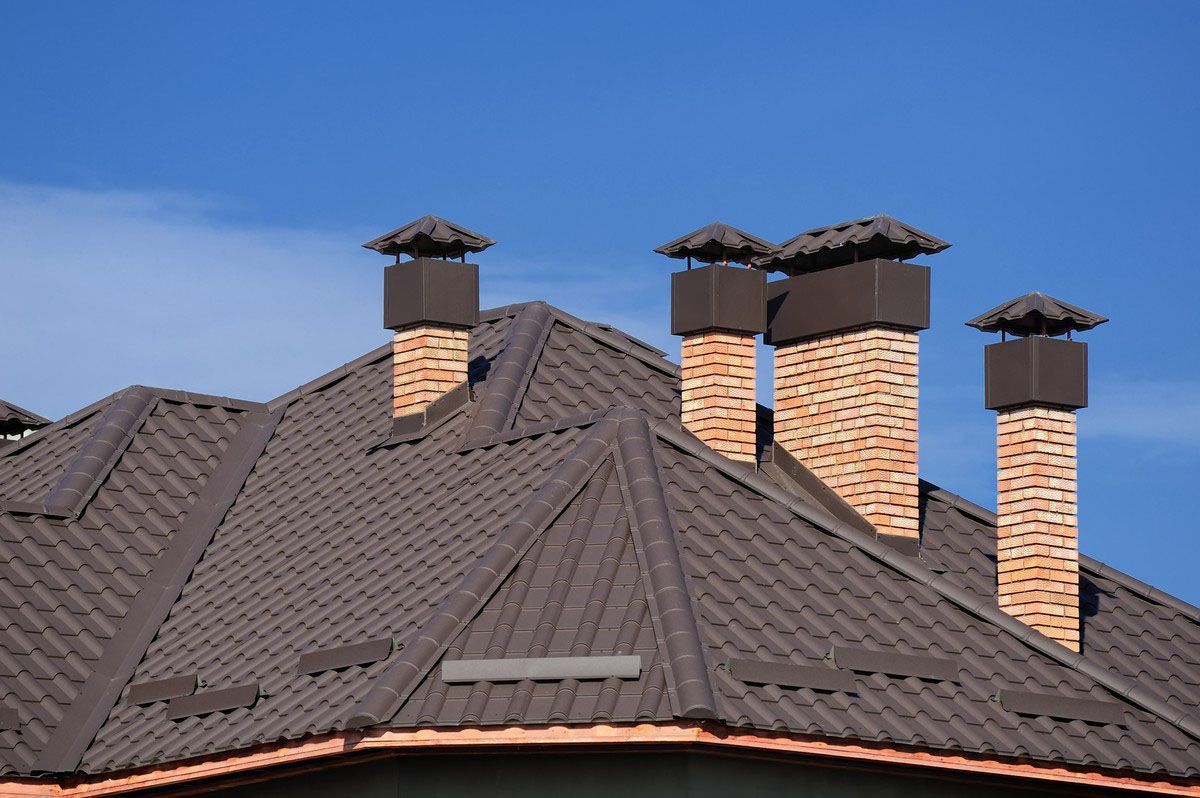
Birds, rodents, and other animals often find chimneys to be attractive nesting sites. These nests can block the passageway, preventing smoke from escaping and potentially causing smoke damage in the home. Moreover, animal droppings present in nests can carry parasites and diseases, posing health risks. Installing chimney caps can help keep animals out and prevent them from causing blockages. If an animal is already nesting, professional removal is recommended to avoid harm to the animals and structural damage to the chimney.
Leaves and Debris
Leaves and other debris can easily enter chimneys, especially during the fall when trees are shedding. This not only blocks airflow but can also contribute to creosote buildup when mixed with soot. Debris can also attract insects and rodents, further complicating the problem. Regular sweeping and installing a durable chimney cap can effectively prevent debris accumulation. Residents should inspect their chimneys regularly during seasons when debris is most likely to fall.
Structural Blockages
Structural blockages occur when elements of the chimney, such as bricks or masonry, fall into the chimney shaft. This issue can be exacerbated by poor construction or natural deterioration over time. The fallen debris can create serious airflow problems, making it difficult for smoke to exit, thereby elevating the risk of carbon monoxide poisoning. It is important to address structural issues immediately by consulting with professional masonry experts. Regular inspections can catch these problems early, ensuring that your chimney remains safe and functional.
Tools and Toys
Sometimes, non-structural blockages occur when foreign objects are accidentally lodged in the chimney. These can include anything from the children's toys to maintenance tools inadvertently left behind. Besides obstructing airflow, such objects can create risks when mixed with heat and soot. Homeowners should be mindful of their surroundings when using fireplaces and must ensure that there is no chance for objects to enter unnoticed. Comprehensive checks by chimney sweeps can often find and remove these unusual blockages before they cause harm.
Chimney Liner Deterioration
Cracks in the Liner
Cracks in the chimney liner pose significant risks as they may allow heat, gases, and flames to reach combustible areas of the home. These cracks often form due to the stress caused by repeated heating and cooling cycles. Once compromised, the chimney liner can't efficiently contain the fiery conditions inside a chimney, posing a risk of fire and carbon monoxide leaks. Should cracks be identified during an inspection, it is crucial that they are addressed immediately to restore safety and efficiency. Techniques such as relining or patching are often employed by professional chimney sweeps to remedy this condition.
Material Corrosion
Chimney liners come in various materials such as clay, metal, and ceramic, each of which has advantages and vulnerabilities. Over time, corrosive substances expelled from burning wood can eat away at these materials, especially metal. The corrosive process can create perforations and reduce the effectiveness of the liner. Regular inspections can help detect early signs of corrosion, enabling timely intervention. Depending on the level of damage, professional chimney sweeps might recommend a full liner replacement or suggest the use of corrosion-resistant materials for longer durability.
Liner Installation Issues
Improper installation of chimney liners can compromise the entire chimney system. When not fitted correctly, liners can sag or leave gaps, which can lead to inefficient venting. This might result in the accumulation of harmful gases like carbon monoxide within living areas. Proper installation by certified professionals ensures that the liner functions correctly throughout its lifespan. Homeowners should inquire about the installer's credentials and ensure compliance with local building codes to prevent such issues.
Thermal Expansion Damage
Thermal expansion occurs when liners expand and contract because of temperature fluctuations during and after the use of a fireplace. Over time, these repetitive changes can cause damage such as cracks, splits, or total failure of the liner material. For example, rigid clay liners are particularly susceptible to cracking due to thermal expansion. It is crucial for homeowners to use their fireplaces according to the manufacturer's instructions to minimize such risks. Regular examination by a professional can also detect early signs of damage, allowing for timely maintenance.
Liner Replacement Challenges
Replacing a chimney liner can be a daunting task fraught with challenges. Given the complexity and intricacies of chimney structures, the fitting of new liners must be precise and can often be an expensive exercise. The replacement process might involve removing or replacing surrounding masonry, adding to its complexity and cost. It's vital to choose experienced professionals for liner replacement to ensure the new liner is installed correctly and to comply with applicable safety standards. By selecting advanced materials, homeowners can also enhance the longevity and performance of their replaced liner.
Damaged Chimney Crown
Cracks and Leaks
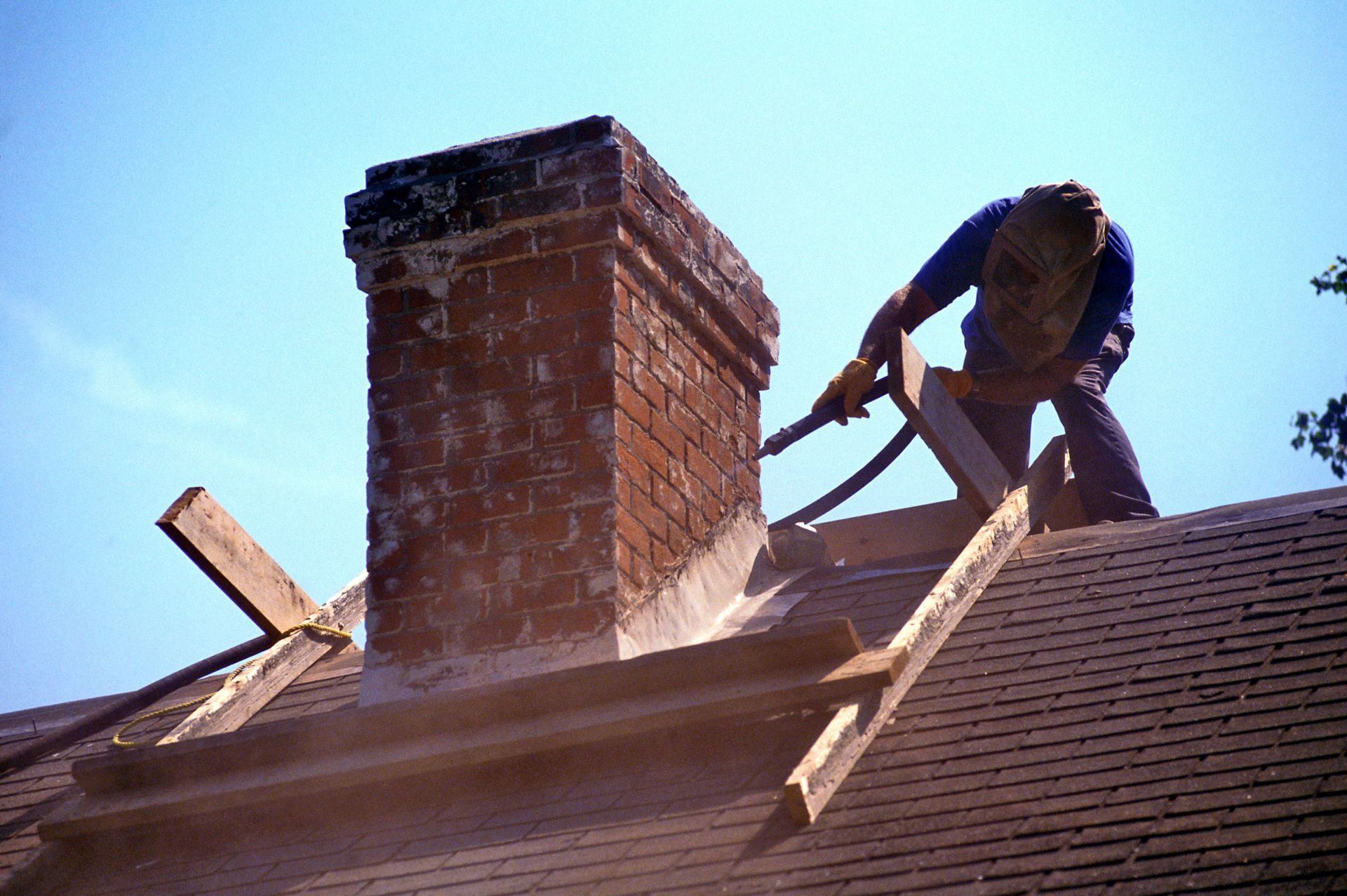
The chimney crown, which serves as the uppermost exterior component, is essential for protection against the elements. Cracks in the chimney crown can lead to leaks that allow water to penetrate down into the chimney structure, resulting in severe damage over time. Persistent water infiltration can compromise the entire chimney system's structural integrity. Repairing minor cracks with waterproof sealants can prevent the crown from deteriorating further. Regular assessments, particularly after inclement weather, ensure minor cracks are attended to before they become significant structural issues.
Weather-Related Damage
Weather conditions are a constant threat to the durability of chimney crowns. Rain, snow, hail, and freezing temperatures contribute to the degradation of chimney materials. Such weather elements can cause surface erosion and aggravate existing weaknesses, ultimately leading to significant disrepair. Homeowners should take precautionary measures, such as applying weather sealant to guard against water intrusion. Chimney sweeps can apply a specialized sealing product that reinforces the surface and adds a protective layer against weather exposure.
Poor Construction Materials
Using substandard or inappropriate materials during the chimney crown construction significantly shortens its functional lifespan. When inferior materials are used, the structure may be less resilient to weather or temperature changes, leading to additional maintenance requirements. Selecting high-quality, durable materials during original construction or repair improves the chimney's overall lifespan and reduces unexpected maintenance costs. Furthermore, engaging qualified masons to use industry-approved materials in repair or construction minimizes risks of early damage and failure.
Frost Heave Issues
Frost heave occurs when freezing temperatures cause the moisture in the ground beneath the chimney structure to expand. This expansion exerts significant pressure on the chimney, often causing structural movement or damage over time. Such freeze/thaw cycles can be particularly damaging to the chimney crown, leading to the formation of dangerous cracks and separations. Homeowners can install drainage solutions and insulation materials to stabilize chimney structures against frost heave. Expert evaluations can help determine the best protective strategies for addressing frost heave conditions.
Regular maintenance and prompt attention to chimney issues are essential for safety and efficiency. Blocked or improperly maintained chimneys can significantly increase the risk of carbon monoxide entering living spaces, making maintenance even more crucial. By understanding common problems, you can work with the professional chimney sweeps at Britt's Chimney & Masonry to ensure your chimneys are well-maintained, functional, and safe for use. Reach out to us today to get started with a free estimate!